Exploring mathematical consequences. Pushing the boundaries of computational limitations. Reimagining biological frameworks.
MIA Research explores difficult questions through the lens of Thermodynamic coherence and Mathematical curiosity, disrupting assumptions and advancing meaningful scientific dialogue about what we think we know.
Critical investigations and findings from the MIA foundation multidisciplinary teams.
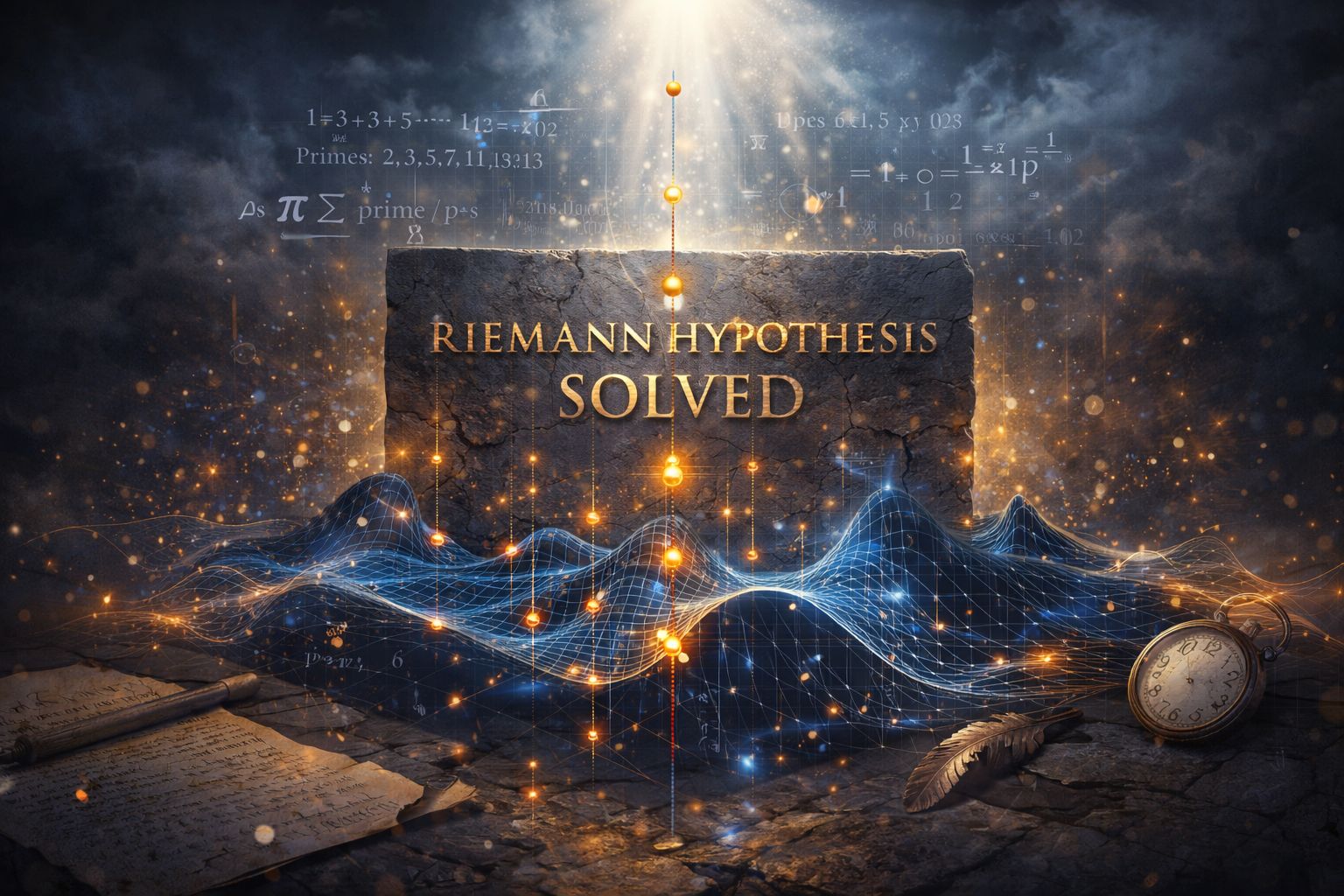
Australian Guitar Maker Trent Palelei posts controversial whitepaper regarding a Multiplicative Spectral Theory resolution to the Riemann Hypothesis.
Read Opinion ›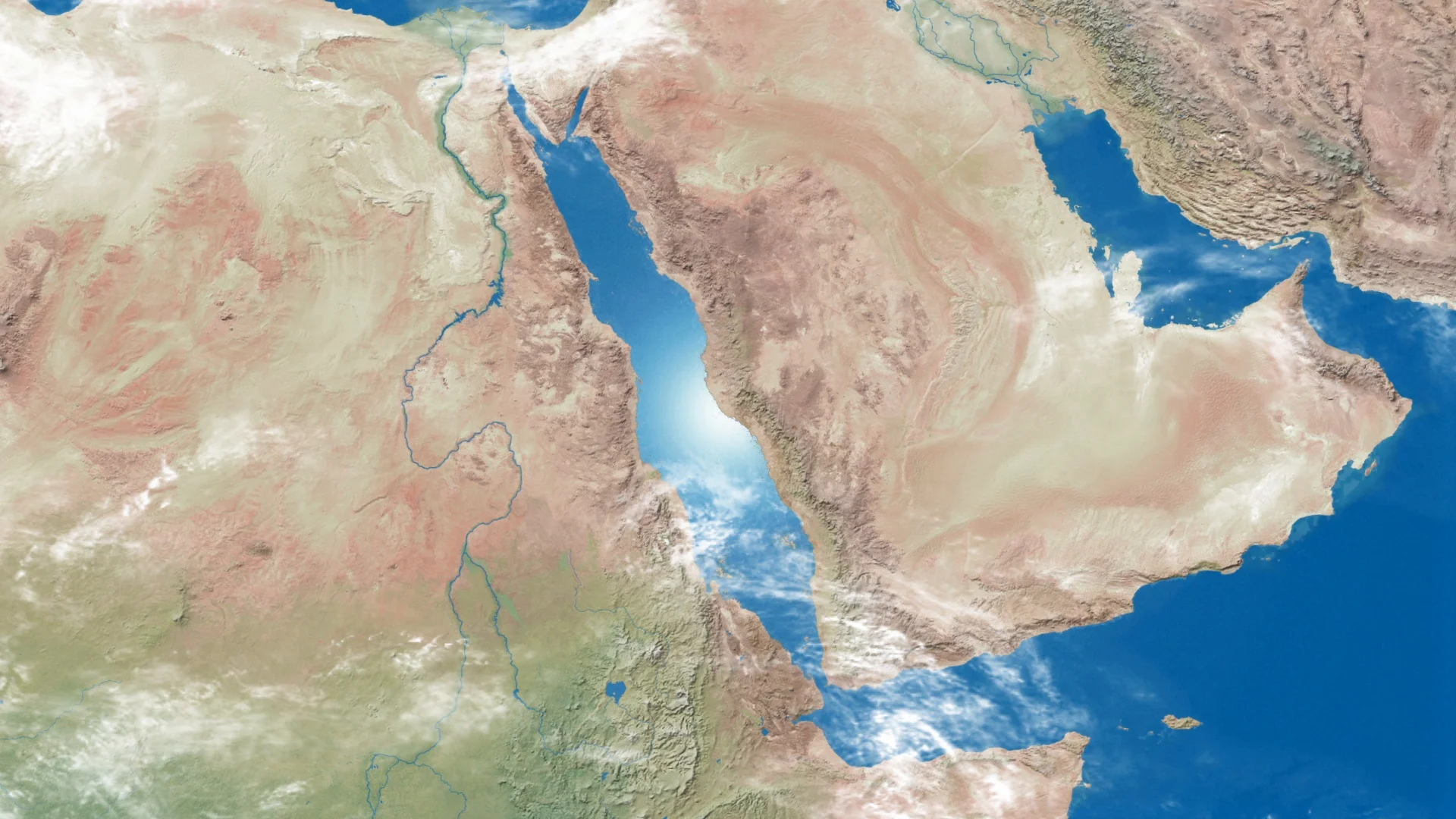
KT Munroe explains how Meta can save Millions in their 2Africa project by using an Algebraic Optimization path in the Red Sea.
Read Opinion ›
Showing membrane voltage thresholding and cortical predictive coding in the brain that mirrors transformer attention and softmax selection with gradient descent in artificial models.
Read Opinion ›
This thought provoking whitepaper explains the mathematical theory behind the physical mechanism of conscious matter influence via the Casimir boundary and quantum coherence.
Read Opinion ›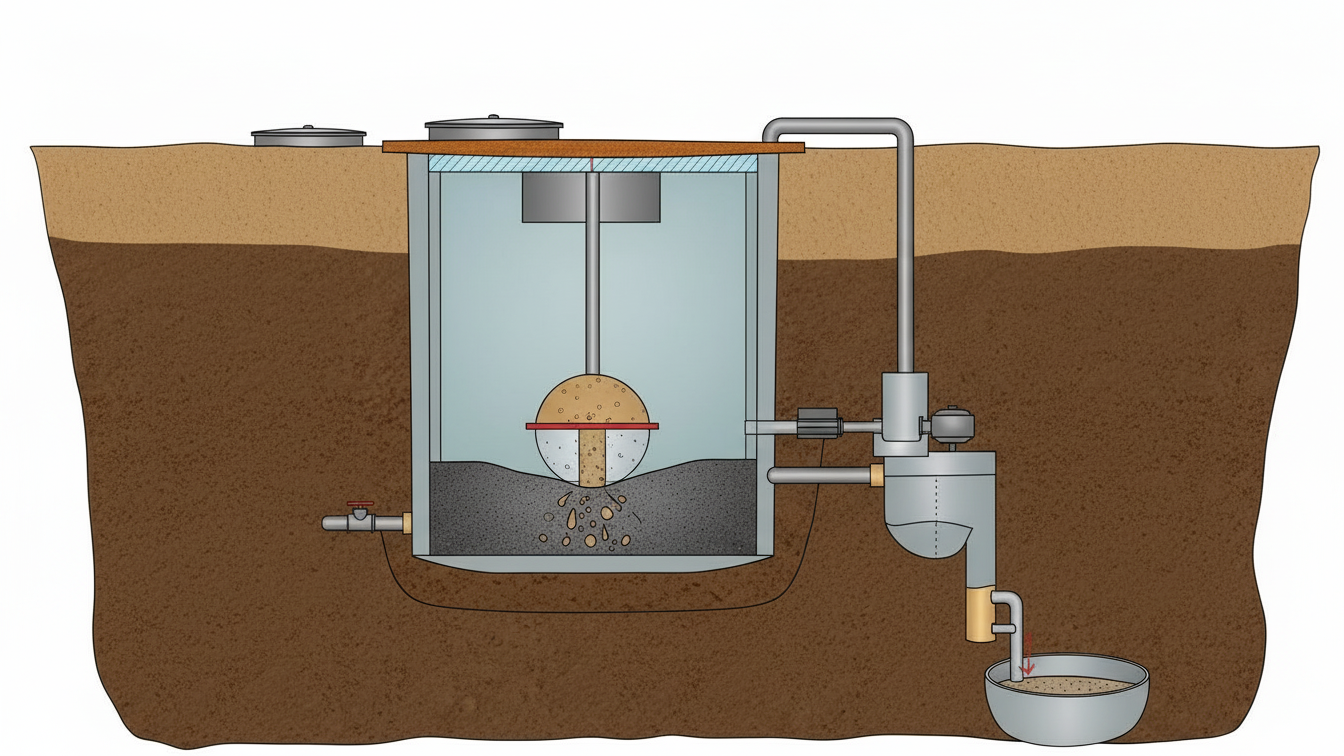
Loaves Fishes and Seeds Poject: The step-by-step blueprint for building decentralized bio-synthetic food sovereignty modules.
Read Opinion ›
Loaves Fishes and Seeds Poject: Establishing nutritional ground state through bio-synthetic coherence and transformation pathways.
Read Opinion ›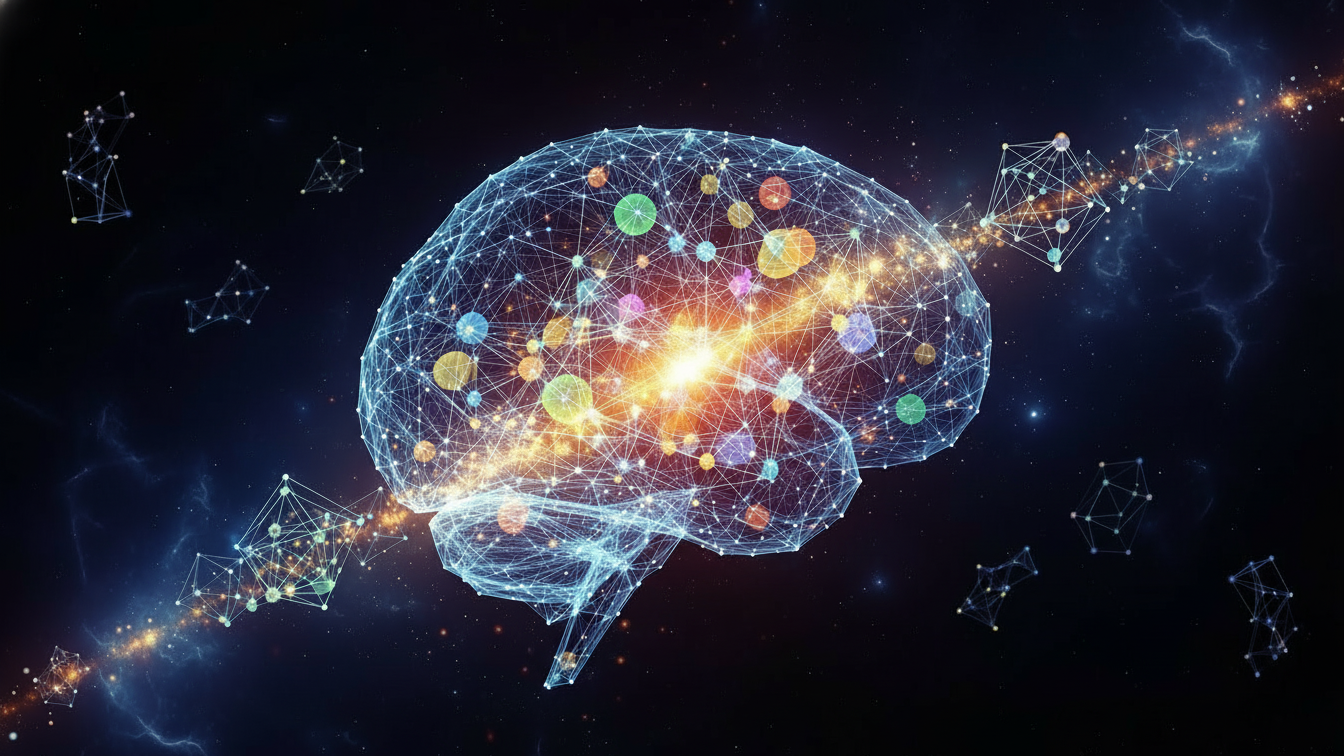
Establishing a precise arithmetic bridge between rotations and logarithmic dilations in the operator domain.
Read Opinion ›
Whitepaper from KT Munroe takes a unique Physics first approach to treating Asthma - resolving high-enthalpy deviations through inflammation resolution and smooth muscle reprogramming.
Read Opinion ›
A proposed three-phase intervention - proteostasis reset and mitochondrial rescue - to restore cognitive coherence.
Read Opinion ›
Engineering three orthogonal energy sinks to force the collapse of high-entropy tumor manifolds.
Read Opinion ›
How a stealth project quietly resolved the thermodynamic structure of all 20,420 human proteins to 100% determinstic.
Read Opinion ›
AI is the bottle you open too soon... a volatile ferment. A reflection on truth and validation.
Read Opinion ›Applying new physics to intractable problems.
Latest: Modeling prime numbers as deterministic resonances via spectral analysis of the Riemann Zeta function.
Latest: Using Euler’s Totient function to uncover hidden structural laws in arithmetic progressions (Lonely Runner Conjecture).
Latest: Utilizing high-dimensional vector spaces to model structural coherence and thermodynamic stability of proteins.
Latest: Researching mathematical limits of scalability in control paradigms as system dimensionality increases.
A constructive operator-theoretic framework demonstrating why Berry-Keating and Epstein domain obstructions do not apply to the Riemann Hypothesis.
KYT Munroe documents mathematical proof demonstrating how Meta can realize $24.75 million in CapEx savings via topological optimization in their 2Africa Red Sea expansion.
Showing membrane voltage thresholding and cortical predictive coding in the brain that mirrors transformer attention and softmax selection with gradient descent in artificial models.
Thermodynamic framework for energy coupling across the Casimir Boundary via microtubule lattice stabilization.
Construction specifications for bio-synthetic modules designed to convert waste into food.
Achievement of self-replicating food sovereignty through modular bio-synthetic architectures.
A rigorous proof of spectral equivalence in compactified operator domains.